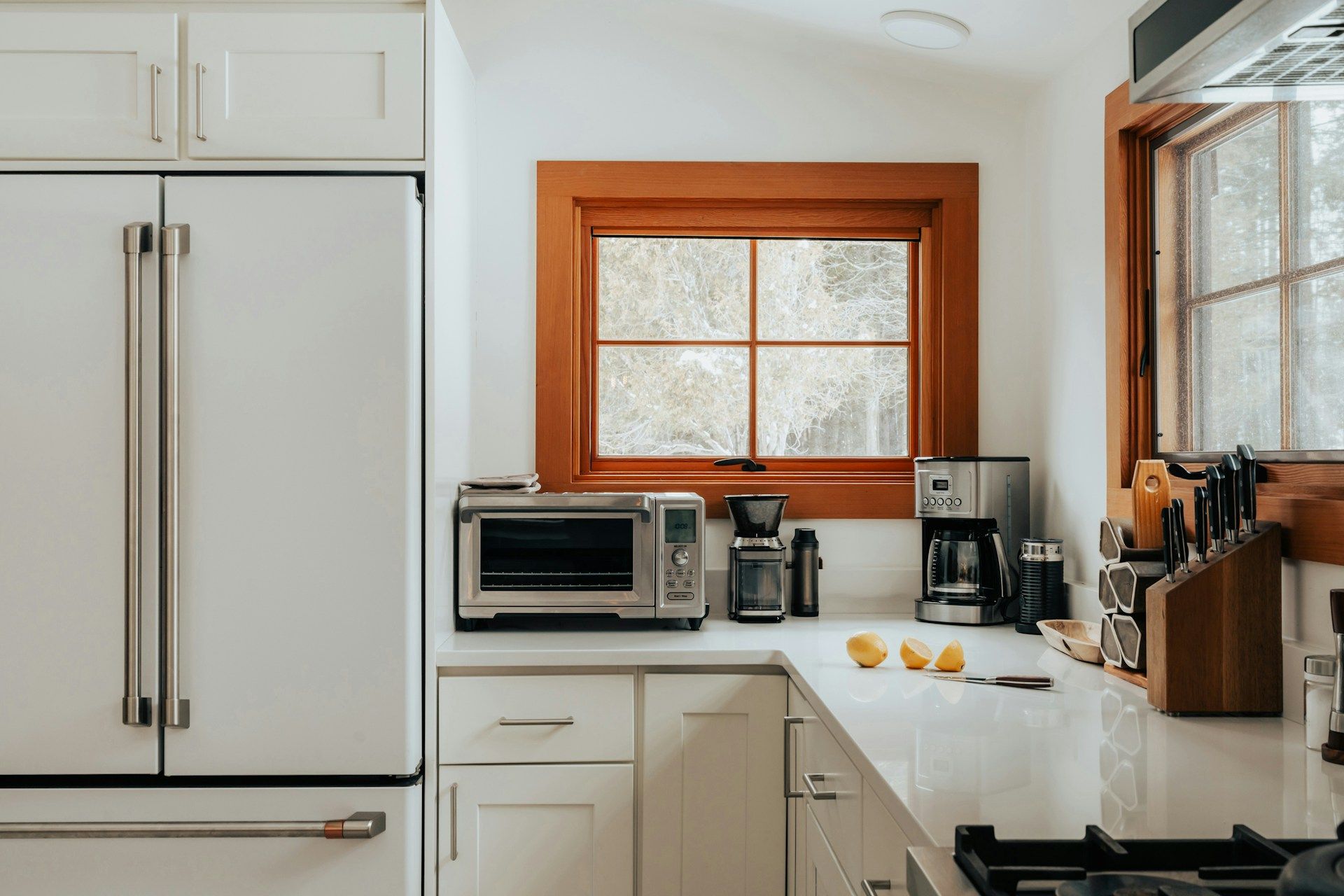
Why Your Houston Fridge Runs Warm but Freezer Stays Cold
Stop Wasting Groceries: Fix a Warm Fridge Fast
A warm fridge with a cold freezer is one of the most annoying kitchen problems. Milk goes bad, leftovers turn questionable, but the ice cream in the freezer is still hard. It feels like the whole appliance is confused. For busy Houston households, especially around holidays and family gatherings, that kind of problem can ruin a fridge full of food.
This issue is very common in our area. Houston heat, humidity, and nonstop door opening can push a refrigerator to its limits. In this article, we will walk through what that warm-fridge-cold-freezer combo really means, the most common causes, a few basic checks you can safely try, and when it is time to bring in a professional for refrigerator repair in Houston, TX.
What It Means When the Fridge Is Warm but the Freezer Is Cold
Most modern refrigerators cool in one main place, usually the freezer section. Then the appliance moves that cold air into the fresh food section with fans, vents, and small doors called dampers. When this system works well, both sections stay at the right temperature and your food stays safe.
If the freezer is still nice and cold but the fridge is warming up, that usually tells us the main cooling system is still running. The compressor, refrigerant, and other big parts are probably doing their job. The problem is usually that cold air is not getting from the freezer into the fridge the way it should.
You might notice:
- Soft ice cream even though the freezer feels cold
- Extra condensation or water droplets inside
- Frost or ice buildup on the back wall of the freezer
Those are warning signs that airflow is changing. When these signs get ignored, things can go from “a little warm” to “everything spoiled” pretty fast. In some cases, what starts as an airflow issue can strain other parts and lead to a full breakdown.
Common Houston Causes of a Warm Refrigerator
Houston homes put refrigerators through a lot. The heat, the humidity, and busy family schedules all play a part. Some problems we see again and again come down to how air moves inside the fridge.
One big cause is blocked air vents and overstuffed shelves. If containers are pushed tight against the back wall or stacked high in front of vents, cold air has nowhere to go. Areas near the vent might be icy while the rest of the fridge feels warm. Tall items, like juice jugs or leftover containers, can act like a wall that traps air.
Another common issue is dirty condenser coils. These coils usually sit on the back or bottom of the fridge and help release heat. In Houston, dust, pet hair, and cooking grease can build up quickly. When coils are coated in grime, the fridge has to work harder and runs hotter, which can make it struggle to keep the fresh food section cool.
We also see problems with parts like:
- Evaporator fan motors that slow down or stop
- Dampers that get stuck open or closed
- Sensors that send the wrong temperature signals
You might hear strange humming, clicking, or rattling from the freezer area. You might notice one shelf is icy cold while another is almost room temperature. These are hints that a part in the airflow path is starting to fail.
Simple Checks You Can Safely Do Before Calling a Pro
There are a few basic checks you can do yourself that do not require tools or taking anything apart. These steps are safe for most homeowners and can sometimes solve minor issues.
Start with the thermostat and temperature settings. Make sure no one accidentally bumped the control or put the fridge into a special mode. Some units have “vacation” or “energy saver” settings that raise the fridge temperature. A simple fridge thermometer can help you see the real temperature instead of guessing by how things feel.
Next, look at door seals and how often the doors are opened. In a warm, humid city, warm air entering the fridge can be a big problem. Check the rubber gaskets around the doors for:
- Cracks or tears
- Gaps where light shines through
- Mold, sticky spots, or food buildup
If kids or guests are standing with the door open deciding what to grab, that constant warm air can make the fridge work harder and fall behind.
You can also do some very light airflow and cleaning steps:
- Move food away from visible vents in the fridge and freezer
- Avoid packing shelves so tight that air cannot move
- Make sure there is a little space behind and above the fridge so it can breathe
If the condenser coils are exposed and easy to reach, gently wiping visible dust can help. Do not try to take panels off or reach into tight spaces, because that is where damage can happen.
When DIY Stops Working and It’s Time to Call a Technician
If your fridge is still warm after 24 hours of these simple checks and adjustments, it is usually time for professional help. At that point, the problem is likely deeper than settings or simple airflow.
Watch for red-flag symptoms like:
- Loud clicking, buzzing, or grinding noises
- Constant running without cooling the fridge
- Thick frost or ice buildup on the back wall of the freezer
- Puddles of water under or inside the unit
These signs point to issues that need tools, training, and careful handling. Things like bad evaporator fans, stuck dampers, faulty sensors, or control board problems are not safe DIY projects. There can also be sealed system issues that involve refrigerant and pressure, which must be handled by a trained technician.
Using an experienced, fully insured company for refrigerator repair in Houston, TX helps reduce the risk of misdiagnosis. Guessing and swapping parts can get expensive fast and may still not fix the real problem. A proper diagnostic visit can save both food and frustration.
How A & A Appliance Repair Protects Your Food and Budget
As a family-owned company serving Houston, Katy, and nearby areas, we see local refrigerator issues every single day. From older homes with tight kitchen corners to newer builds with large family fridges, we understand how different setups affect airflow and access. That local experience helps us spot common problems quickly.
We focus on residential appliance repair, so our attention stays on homes like yours. Our technicians work on major refrigerator brands and styles and bring that knowledge into every kitchen. Same-day service options mean we aim to help before you have to throw out a week’s worth of groceries. With a one-year warranty on parts and labor, repairs are backed by clear support so you can feel more confident in the fix.
Keep Your Fridge Cold All Year in Houston Heat
As February moves toward spring and the calendar fills with gatherings and longer days, your fridge is about to work even harder. A little care now can help prevent that warm-fridge surprise right before a party or big grocery run.
Helpful habits include:
- Cleaning accessible coils before the hottest months
- Checking door seals a few times a year
- Leaving space around vents and not overloading before holidays
- Watching for early signs like soft ice cream or extra moisture
If you notice the fresh food section creeping warmer, do not wait for a full breakdown. Catching issues early gives you more repair options and a better chance to save what is in your fridge and freezer.
Restore Your Kitchen’s Cold Storage With Fast, Reliable Service
If your fridge is running warm, leaking, or making unusual noises, our licensed technicians are ready to help with trusted
refrigerator repair in Houston, TX. At A & A Appliance Repair, we quickly diagnose the problem and give you honest recommendations so you can protect your food and avoid costlier breakdowns. Reach out today through our
contact us page to schedule a convenient service appointment and get your refrigerator working properly again.