Preventing Washer and Dryer Breakdowns During Houston Storm Season
Keep Laundry Day Safe During Houston Storm Season
Storm season around the Gulf Coast can turn a normal laundry day into a mess in a few minutes. One strong lightning strike, sudden power surge, or quick flash flood is all it takes to knock out a washer or dryer. That can leave wet clothes sitting for hours, strange smells, or a machine that will not even turn on.
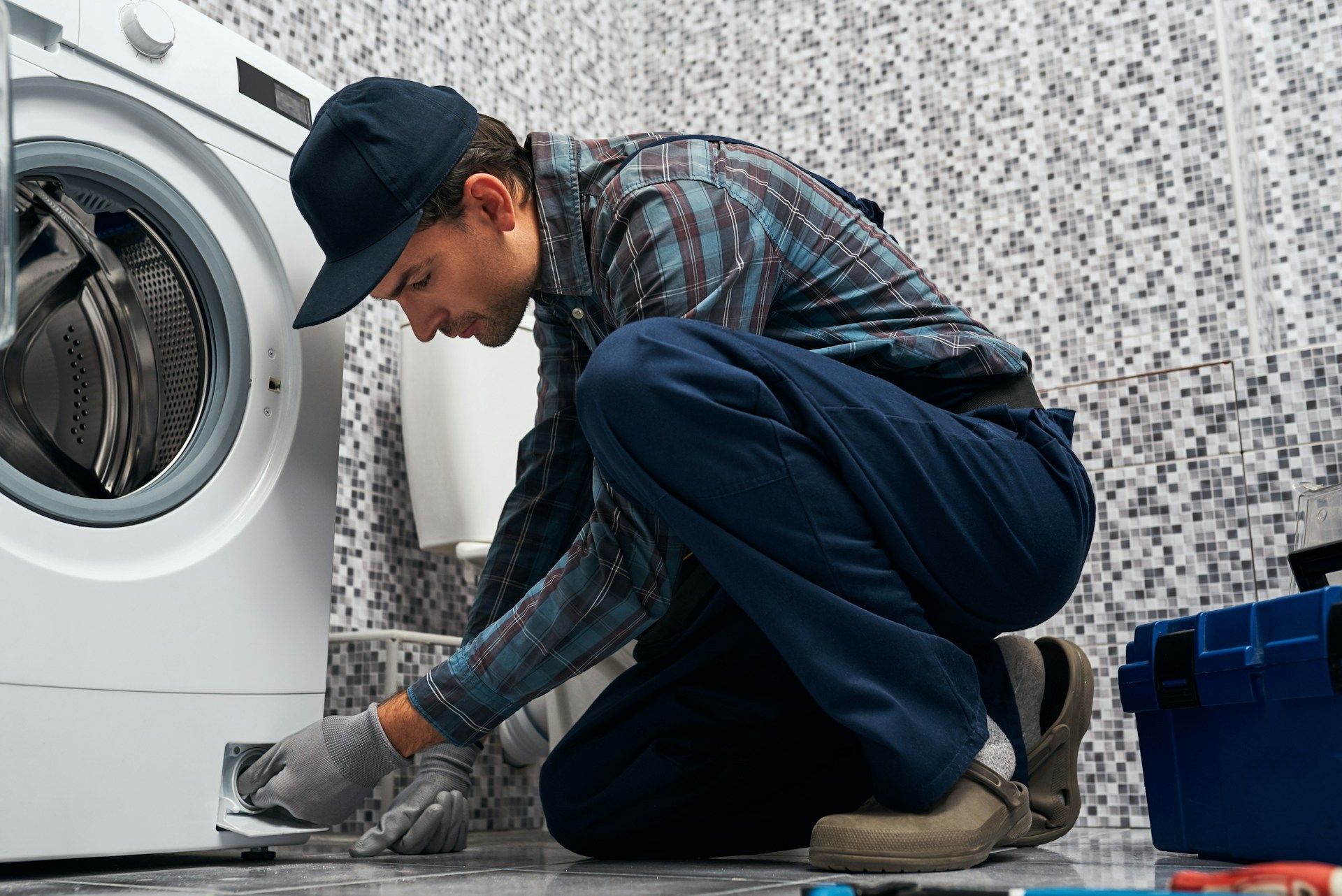
In Houston, heavy rain, lightning, high humidity, and power outages put extra stress on laundry appliances. Washers and dryers work hard already, and storm season only adds more strain. As a family-owned appliance-repair company serving Houston, Katy, and nearby neighborhoods, we see this up close all the time. We want to help you avoid those stressful breakdowns, keep your home safe, and know the warning signs you should never ignore.
How Houston Storms Threaten Washers and Dryers
Strong storms do not just affect the lights and TV. They can be very tough on your washer and dryer.
Here is how stormy weather often leads to washer repair in Houston, TX:
- Power surges from lightning or an unstable electrical grid can hit your home wiring
- Sudden changes in voltage can damage washer and dryer control boards
- Motors, timers, and electronic displays can burn out or act strange after a surge
Heavy rain brings its own problems. Wind-driven rain can sneak in through weak spots around windows, doors, or roofs. Localized flooding can push water into low-lying laundry rooms, garages, or first-floor closets.
That extra water can lead to:
- Rust on the washer or dryer body, legs, or drum
- Electrical shorts inside the machine
- Mold and mildew growth in dark, damp areas
Power outages are another big issue. When the power cuts out in the middle of a wash or dry cycle, the machine may stop mid-program. When the power comes back all at once, the sudden jolt can stress parts that were already working hard. Many homeowners notice problems like stuck doors, frozen displays, or dead machines after big storms pass.
Simple Steps to Stormproof Your Laundry Area
You cannot stop a Houston thunderstorm, but you can make your laundry area tougher and safer.
Start with electrical protection:
- Plug washers and dryers into quality surge protectors made for large appliances
- Consider whole-home surge protection if your electrician recommends it
- Avoid daisy-chaining extension cords or power strips for big appliances
If your laundry room is on the first floor or in a low spot, think about water. Storm runoff or minor flooding can move fast.
Helpful steps include:
- Elevating washers and dryers on sturdy platforms or concrete blocks
- Keeping boxes, detergent, and other items off the floor in flood-prone spots
- Making sure the floor around the washer drain stays clear
Next, look at the walls and openings around the room. Check nearby windows, doors, and outside walls for leaks. If you see water stains, bubbling paint, soft drywall, or gaps in caulk, those are trouble spots during heavy rain. Sealing gaps and caulking where needed can keep water from seeping in.
A small water alarm or moisture sensor near the washer can give you an early warning if a hose bursts or storm water sneaks in. During strong spring and summer storms, that early beep can save your floors, walls, and your appliances.
Washer and Dryer Maintenance Before Storm Season Hits
A little prep before peak storm months helps your washer and dryer handle long laundry loads and sudden weather changes.
Start with a basic tune-up you can keep in mind:
- Clean the lint trap before every dryer load
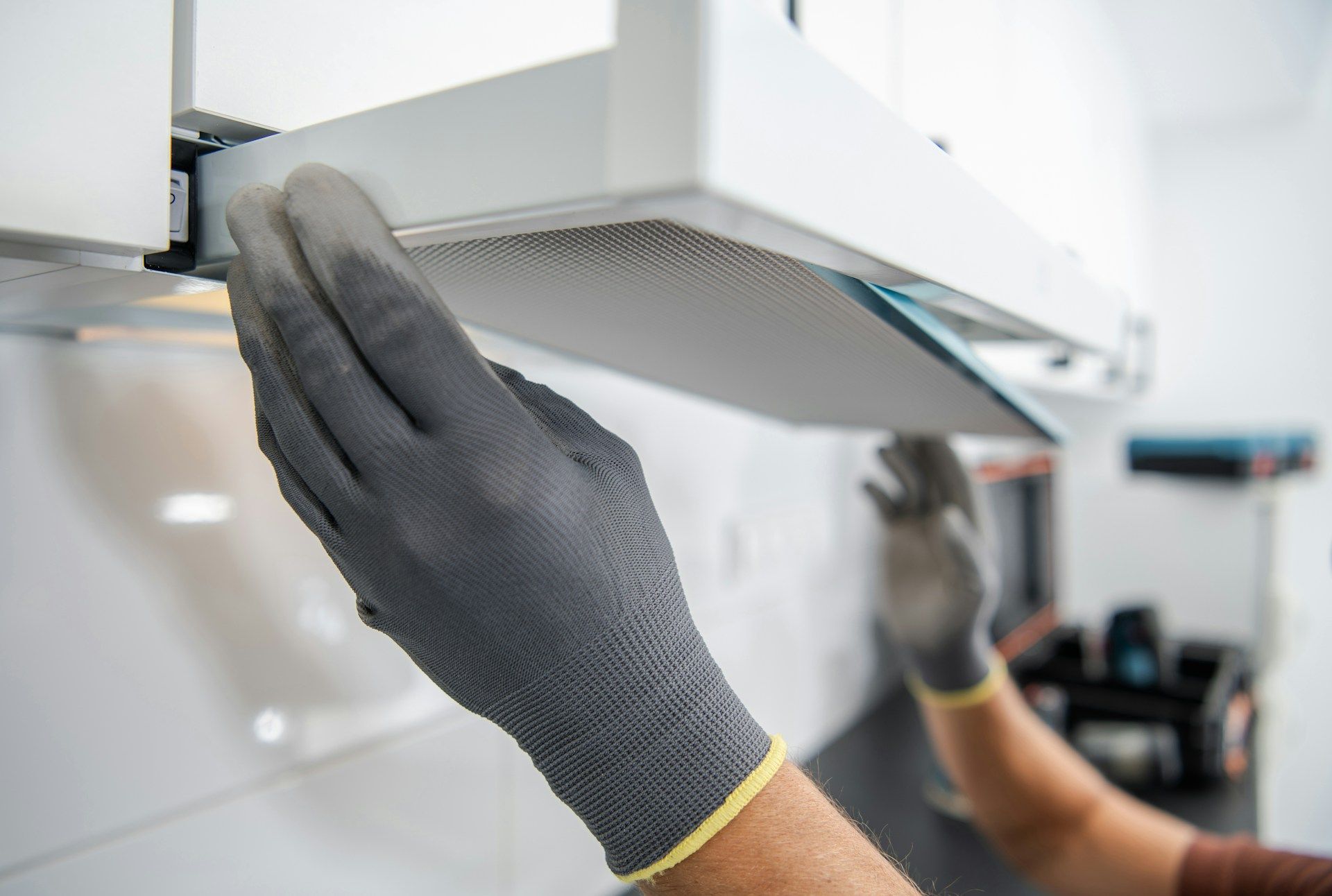
- Have the full dryer vent path cleaned on a regular basis
- Check washer hoses for cracks, bulges, or soft spots
- Make sure the washer drain line is clear and flowing well
Houston heat and humidity are tough on rubber parts. Hoses and door seals can dry out on the outside while staying damp inside. That mix can speed up wear. Replacing older rubber hoses with braided stainless steel options can add peace of mind. It also helps to inspect washer door gaskets for mold, slime, or tears.
Running a washer cleaning cycle with a suitable cleaner can clear out detergent buildup. That buildup makes the machine work harder, which you do not want when you are washing more often during stormy weeks.
When you are unsure about what you are seeing, it helps to have a professional look things over. A trusted local appliance repair company can check connections, test components, and help catch early problems before storms make them worse.
What to Do When Power Goes Out Mid-Cycle
If a storm cuts power while the washer or dryer is running, stay calm and keep things simple.
First steps:
- Turn the appliance off if possible and unplug it
- Do not force the door open if it is locked
- Wait for power to return and stay steady before you try to use it again
Once the lights are back on, plug the machine back in and check for any strange noises or smells. For a washer that stopped mid-cycle, it is usually safer to restart it on a rinse or spin cycle. This helps clear water and detergents without overloading the machine.
Avoid:
- Repeatedly flipping breakers off and on
- Pressing start over and over if the machine does not respond
- Ignoring burning smells, buzzing sounds, or smoke
If breakers keep tripping, the washer or dryer will not power up, or the machine sounds different than usual, that is often a sign of storm-related damage that should be checked by a pro. Quick washer repair in Houston, TX, after a storm can prevent a small issue from turning into a complete breakdown.
Warning Signs You Need Professional Help Now
Storm season can shake loose problems that were building up for a while. Knowing what to watch for can keep your home safer.
With washers, pay attention to:
- Water around or under the machine
- New grinding, squealing, or banging sounds
- Strong shaking or walking across the floor
- Error codes on the display
- Cycles that will not finish or keep stopping
Dryers have their own warning signs. Longer drying times, very hot outer panels, or a burning smell may point to vent clogs or electrical issues. High humidity and power surges can make small issues show up faster.
Because water and electricity do not mix, it is not a good idea to try electrical repairs yourself. An insured, experienced technician can safely open the machine, test parts, and explain what really went wrong. When you look for washer repair in Houston, TX, it helps to choose someone who offers fast service and a strong warranty on parts and labor so you know the job is done right.
Restore Your Washer’s Performance With Fast, Reliable Service
If your laundry is piling up or your washer is making unusual noises, our team at A & A Appliance Repair is ready to help with expert
washer repair in Houston, TX. We diagnose problems quickly, use quality parts, and stand behind our work so you can get back to your routine with confidence. To schedule service or ask a question, simply
contact us and we will work with you to find a convenient time.